Choosing a therapist can be daunting process. I encourage you to ask prospective therapists questions that will help you find the one who is best suited to your particular issues and style of relating. Research suggests that one of the most important elements in determining success of therapy is the therapeutic relationship formed with one’s therapist.
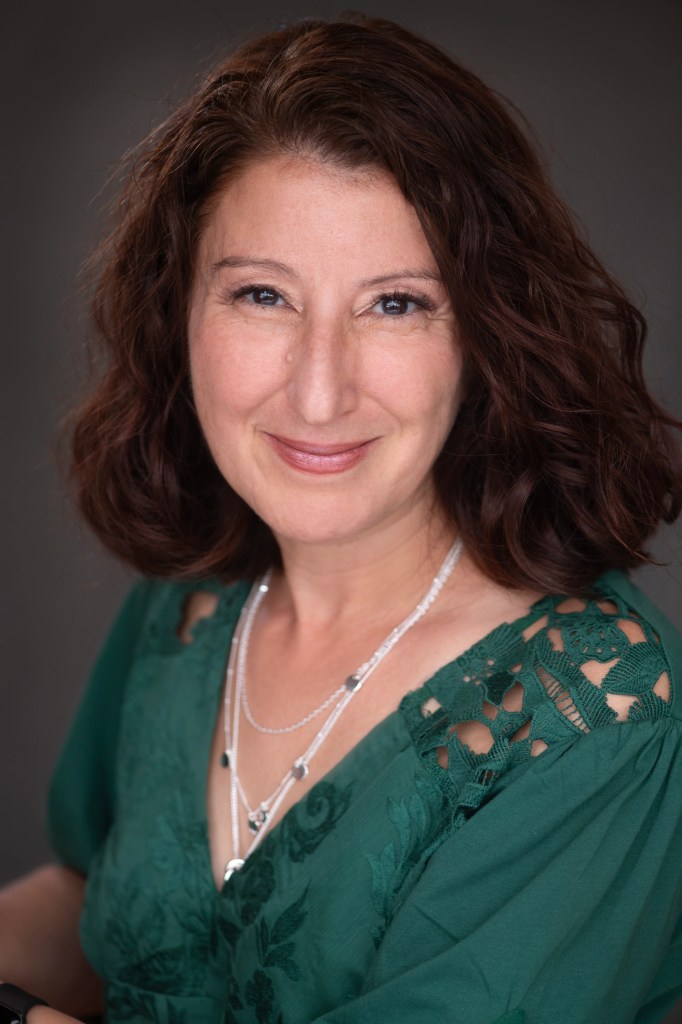
Let me tell you a little about my background. My pronouns are she/her. I identify as a member of the LGBTQ+ community and as BIPOC and biracial. In my practice, I find myself drawn to working with those who identify within the LGBTQ+ community, especially those who also identify as neurodivergent.
I am a Clinical Social Worker and am licensed by the Board of Behavioral Sciences in the State of CA. I have my undergraduate degree from University of California at Berkeley in Psychology and English. I hold a Master of Social Work degree from University of Southern California.
In addition to maintaining a private practice for more than fifteen years, I have worked as a clinical social worker in community mental health agencies, outpatient and inpatient healthcare and as a clinical consultant for Employee Assistance Programs to provide crisis counseling and support to employees.
In my free time, I like to spend time outdoors (I took the outdoor pictures on this website), read (including fiction and poetry), bake, and write. I have a dog and two rabbits, none of whom show interest in becoming certified emotional support animals.
My approach to therapy
Over the years, I’ve been trained in numerous clinical modalities so I tend to personalize each client’s treatment to their specific issues and style of relating. During initial sessions, I may ask about past therapy experiences, what worked and didn’t work, and preferred communication styles to better tailor treatment, whether it be using Cognitive-Behavioral Treatment, Narrative, Mindfulness, or Psychodynamic theory. I want to focus on each individual’s strengths and help them grow from there.
I am trained in Trauma-Focused Cognitive Behavioral Therapy, an evidence-based treatment for children, teens and young adults who have experienced major trauma. This treatment helps trauma survivors build coping skills, develop and process their trauma narrative and begin sharing their trauma with trusted loved ones in a safe environment.

“Conflict, when done well, can move people toward deeper connection, intimacy, and healing with themselves and each other.”
— Vienna Pharaon
Elaine Ahmad, LCSW 19118
I provide individual and family counseling for teens and adults.
If you are experiencing a mental health crisis, please call 988 or go to your nearest emergency room. If you are having a life-threatening emergency, please call 911.
Get in touch
Contact Me
(818) 351-6505
eahmadlcsw@proton.me
Proudly Powered by WordPress © 2024-2026 Elaine Ahmad
 Elaine Ahmad, LCSW 19118